All Categories
Featured
Table of Contents


Navigating 2026 Regulatory Modifications in Middle East Business Hubs
The economic environment in 2026 for Qatar and Oman shows a period of high-speed adaptation. Both countries have actually moved beyond basic oil dependency, developing intricate regulative systems that demand precise operational management. For businesses operating in these Gulf markets, staying compliant no longer implies just following standard guidelines. It requires a positive strategy that anticipates shifts in labor laws, tax requirements, and foreign investment limitations. By mid-2026, the distinction in between successful business and struggling ones frequently comes down to how successfully they manage these administrative updates.
In Qatar, the focus has actually moved towards refining the labor reforms started earlier in the decade. The 2026 updates have introduced more particular requirements for staff member real estate standards and insurance protection. These modifications belong to a wider effort to maintain the nation's status as a top-tier location for global skill. Companies that overlook these subtle modifications face stiff charges, but those that incorporate them into their core operations find a more steady labor force. Maintaining a concentrate on GCC Ecosystem Development has ended up being a standard approach for making sure that these labor requirements are satisfied without interfering with daily output.
Oman has taken a comparable course with its Vision 2040 turning points, particularly regarding the "Omanisation" targets for 2026. The government has launched brand-new lists of occupations scheduled specifically for Omani nationals, particularly in technical and middle-management roles. For foreign firms in the local capital, this necessitates a change in recruitment and training. Instead of looking abroad for every professional function, services are setting up internal training programs to help local staff fulfill the necessary qualifications. This shift is not just about compliance; it is about constructing a sustainable existence in a market that focuses on regional development.
Handling Business Operations Under New Ownership Rules
Ownership policies in both Qatar and Oman have actually seen considerable loosening by 2026. Qatar now allows 100% foreign ownership in practically all sectors, including banking and insurance coverage, provided certain capital requirements are satisfied. This has actually caused an influx of international competitors, making the market more crowded. Services already on the ground must improve their functional excellence to stay ahead. The focus is no longer just on getting in the marketplace but on how to run a business efficiently enough to contend with new, nimble entrants.
Oman has actually introduced the Foreign Capital Investment Law (FCIL) updates for 2026, which simplify the licensing process for new endeavors. Nevertheless, this ease of entry features more stringent reporting requirements. Every business must now supply detailed quarterly reports on their environmental and social impact. This is where lots of organizations struggle. Moving from a conventional reporting style to a modern, data-driven approach is a difficulty. Organizations that prioritize GCC Ecosystem Development find that they can automate much of this reporting, lowering the threat of errors and government fines.
The tax environment is another area where 2026 has actually brought significant modifications. Following the regional trend towards business tax, both nations have actually clarified their positions on the OECD's international minimum tax. While Oman and Qatar preserve competitive rates, the documentation needed to prove tax compliance has actually become much more requiring. Business need to track every transaction with a level of detail that was not required five years earlier. This level of examination applies to both big corporations and the consulting services sector, where cross-border deals prevail.
Improving Functional Quality in the Regional Market
Functional quality in 2026 is defined by how well a business manages the intersection of innovation and policy. In Muscat and Doha, federal government portals have actually approached overall digitization. Paper-based applications are essentially obsolete. To flourish, a service needs to guarantee its internal systems are suitable with these government user interfaces. This "digital-first" compliance means that HR, accounting, and logistics data must flow smoothly into the required regulative containers without manual intervention.
Supply chain transparency has also end up being a mandatory requirement. In Oman, new laws in 2026 need organizations to veterinarian their secondary and tertiary providers for ethical labor practices. This mirrors international trends but consists of particular regional twists associated with local trade contracts. Business are now accountable for the actions of their partners. If a supplier fails to fulfill Omani standards, the main organization can be held liable. This has required a complete overhaul of procurement strategies, with a preference for local, pre-verified vendors.
Qatar's concentrate on the 2026 National Vision highlights the "Knowledge Economy." This translates to considerable incentives for companies involved in research study and development. To access these rewards, companies must go through a rigorous audit of their intellectual residential or commercial property and training spend. This is not a basic "check package" workout. It includes a deep review of how the company contributes to the regional economy. Businesses that can show their value through clear, verifiable data are the ones getting the most federal government assistance.
Future-Focused Strategies for the Local Province
Looking toward the end of 2026, the integration of ESG (Environmental, Social, and Governance) principles into regional law is the most considerable trend. This is no longer a voluntary choice for PR functions. In Qatar, certain sectors like construction and manufacturing now have mandatory carbon reporting. These reports are connected to the renewal of industrial licenses. This change forces companies to take a look at their energy use and waste management as a core monetary issue instead of a secondary operational problem.
In Oman, the focus is on "In-Country Worth" (ICV) By 2026, the ICV program has actually broadened from the oil and gas sector to consist of tourist and logistics. This implies that a part of a company's spend need to stay within the Omani economy to certify for government agreements. For numerous firms, this has meant altering their whole company design. They are moving from importing ended up goods to performing assembly or standard production within the nation. While this needs preliminary investment, it secures the company from future regulative shifts that may further restrict imports.
Technology assists bridge the space in between these brand-new laws and everyday work. In the regional area, many companies are using specialized software to track their ICV rating in real-time. This enables them to adjust their spending routines before an audit takes place. It likewise offers a clear picture of where the business stands regarding local employing targets. Being proactive in this method avoids the panic that often occurs when license renewal due dates technique.
Adapting to Digital ID and Privacy Laws
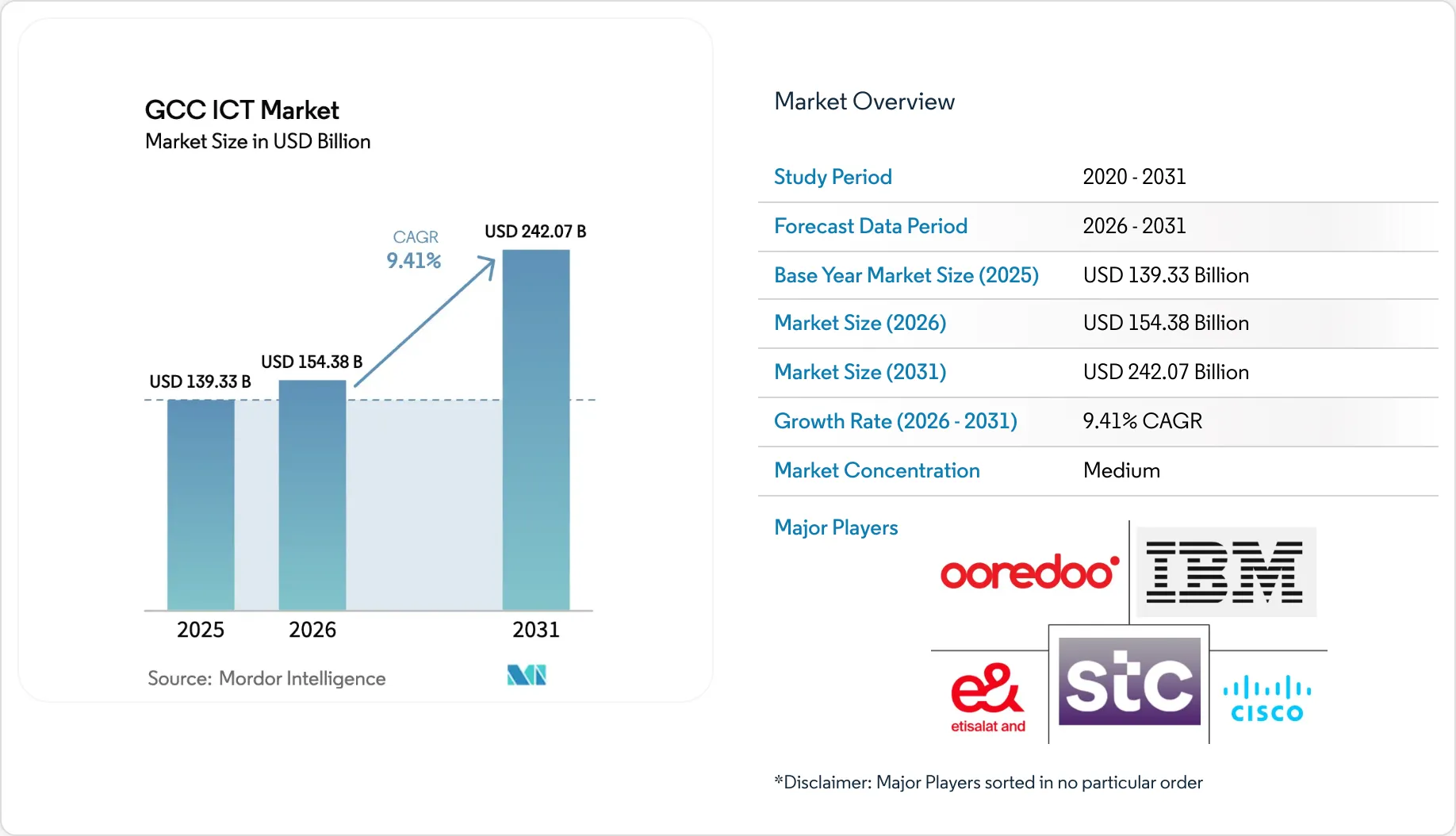
Data personal privacy has actually become a significant talking point in the 2026 business world. Both Qatar and Oman have updated their personal information protection laws to line up more closely with international requirements like GDPR. This impacts every organization that manages consumer data, from small retailers to big financial firms. The charges for information breaches are now considerable, and the meaning of a breach has actually broadened to include the unapproved sharing of information with 3rd celebrations outside the nation.
The intro of combined digital IDs in both countries has actually streamlined some aspects of service. Verification of identities for agreements or banking is much faster than it was in previous years. Nevertheless, it likewise suggests that the government has a clearer view of business activities. There is more openness, which decreases the possibility of "shadow" business operations. Companies that have actually historically operated with loose administrative controls are finding it hard to stay under the radar in this new, transparent environment.
Success in 2026 requires a shift in mindset. Compliance should not be viewed as a problem or a series of difficulties to jump over. Rather, it is the base layer of a successful business technique. Companies that develop their operations around these rules, instead of looking for methods around them, wind up with more durable service designs. They are better gotten ready for the next round of changes and are more attractive to local partners and international investors alike.
By focusing on internal training, digital integration, and transparent reporting, businesses in Qatar and Oman can turn regulatory shifts into a benefit. The objective is to be so well-aligned with national visions that business becomes a natural partner in the country's development. As 2026 continues to bring new updates, those who have actually spent the last few years preparing their facilities will be the ones who lead their respective markets into the next years.
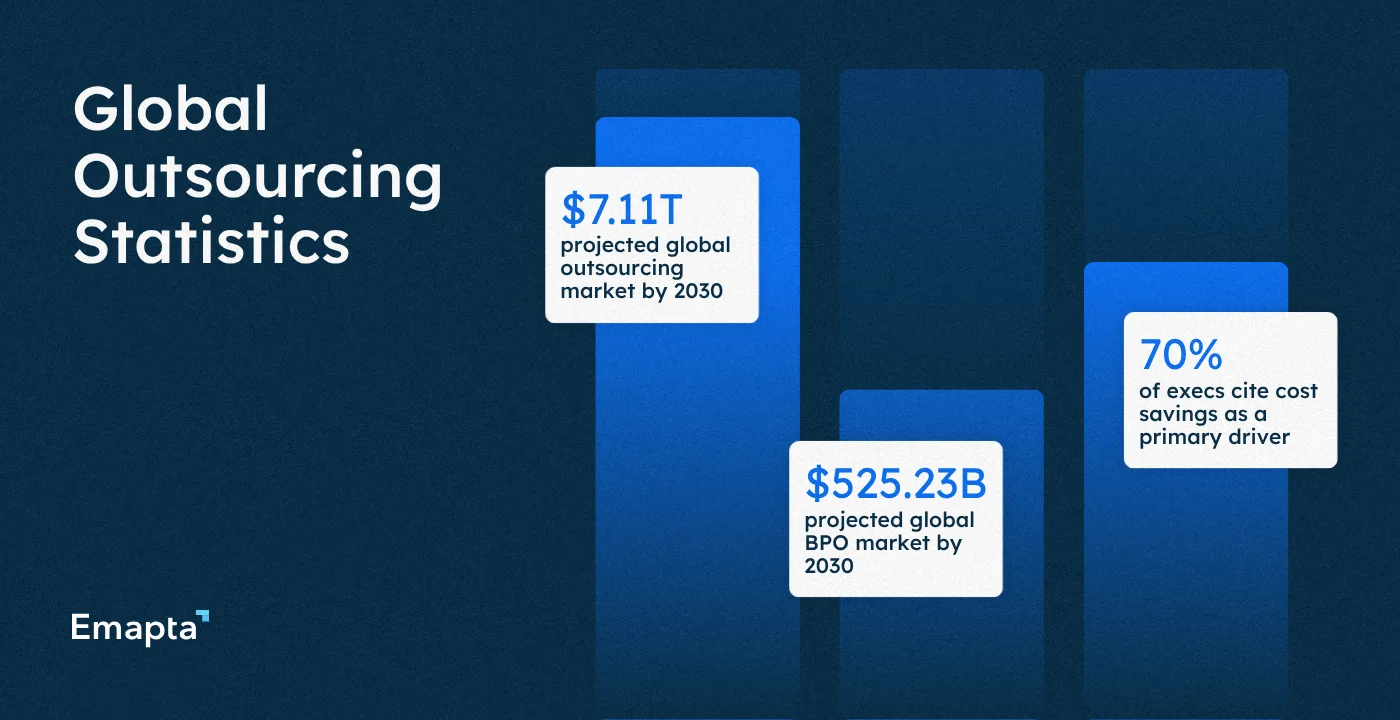
The transition to a more regulated, transparent, and digital economy is well underway. For an organization in the local market, the path forward includes continuous monitoring of federal government decrees and a desire to alter old routines. The winners in the 2026 economy are those who deal with functional quality as an everyday practice, ensuring that every part of the company is all set for whatever the next regulative shift may be. This preparedness is what defines a fully grown company in the modern Middle East.

Latest Posts
Why Economic Diversification Can Shape Arabian Markets
Roadmap to Gulf Stock Equity Trends in 2026
Future-Proofing Regional Portfolios for 2026 Shifts