All Categories
Featured


Investment Climate and Capital Management for 2026
Table of Contents
In general, we expect real GDP growth to accelerate from an average speed of 1.1% development over the fourth and very first quarters to roughly 3.0% growth in the second and 3rd quarters and after that slow down to about 1.5% development in late 2026. More powerful growth could be extended into the fourth quarter if the federal government passes further financial stimulus before the mid-term elections.
With the start of 2026, financiers are when again turning their focus to positioning portfolios for the year ahead. Expecting which property classes might provide the most attractive returns over the coming twelve months, and determining the dominant styles likely to influence markets, is more crucial than ever. The global financial background has moved considerably compared to this time in 2015, prompting renewed questions about where chances and threats will depend on 2026, as well as which assets are most likely to outperform or underperform.
How Regional Wealth Funds Foster Long-Term Stability and Peace: United States growth faces difficulties due to stress in its institutional structure and requiring valuations. The divergence between financial policies and inflation highlights the requirement for adequate.In this context, will keep their significance, although they will require a. present intriguing opportunities to diversify equity portfolios, with attractive valuations.: favored by more versatile main banks and a weaker dollar, they can benefit,.: continue to consolidate as a key component of portfolios, with functioning as long-term value drivers and levers for structural improvements such as decarbonization and digitization.
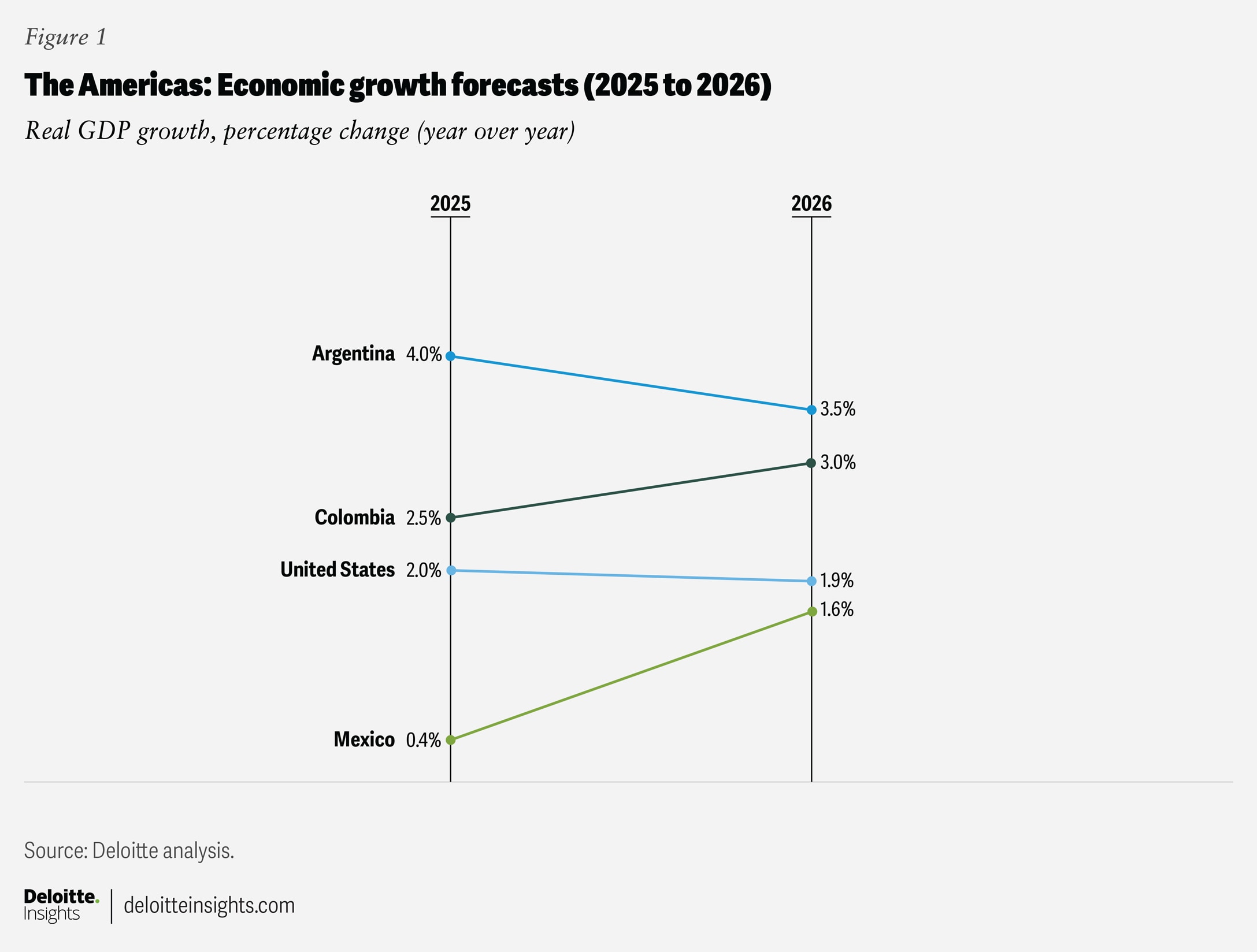
The should use new entry points in the second half of 2026.: chances in the growing Asian technological environment. In local currency debt, we prefer Central and Eastern Europe, selective areas of Latin America (Colombia, Brazil) and Asia (India, Philippines, and Korea) for bring and valuation.: notable opportunities that prefer worth designs, in addition to momentum in Latin America and Eastern Europe, and selectively in Asia, in sectors connected to digital assets.
Steady rates, more versatile monetary policies and higher market chances specify the course for 2026. Stabilization of the international economy, an improvement in business revenues and an increase in chances in equity and fixed income. Fixed income: high-quality as an income and portfolio stability.: the return of market breadth.
Vital Tips for Navigating 2026 Overseas Investment Climates
The is being limited, at a time when inflation in the EU is close to the ECB's target and is harder to control in the United States, around 3%., in a market situation that discounts that the ECB will delay the lowering of intervention rates., with appealing spreads, as the very best way to benefit from current levels, and sees potential for revaluation in.: its evolution will be conditioned by the rebound of the expected revenues for 2026, especially in US tech companies, financial stimuli in Europe and the normalization of worldwide trade.
: will continue to sustain financier optimism and open opportunities in emerging stock markets, innovation consumer and health midcaps, and in facilities and energy transition in private markets.: the "Splendid Seven" can still support the market due to their earnings power and stable bet on AI, however management starts to show more dispersion among big tech companies.: expected capex rebound due to reindustrialization and fiscal margin, with possible to continue sticking out in defense, energy and finance and to add lagging sectors for a wider rally.: macro tailwind and extremely cheap assessment compared to the US (40% discount) point to possible outperformance in 2026.: the divergence between main banks produces opportunities, however be.: there is room to generate attractive earnings by taking advantage of carry in (CLO AAA and BBB tranches with relative value) and in, as prominent sources of recurring profitability.: take advantage of more sensible costs and larger rounds and remains appealing for success and low default regardless of steady spreads.
REITs vs. Physical Property: Which Is Better for 2026?Keep a, without economic crisis in the central situation for 2026. It is anticipated that, consisting of hedge funds, personal credit and genuine properties, will play a in investors' portfolios., China increasing its impact in various areas and Europe (specifically Germany) trying to end up being pertinent again.: the opportunity to utilize NextGen funds remains appropriate to increase quality development.
How to Optimise International Capital Potential in 2026
The will continue with its "danger management" technique and will apply more rate cuts in 2026. Powell's successor might be more inclined to lower rates.: the steepening of the curve is likely to continue. We preserve our preference for.: high appraisals recommend care. The has actually stood out however we do not consider it proper to enhance our recommendation on it.

Latest Posts
Why Economic Diversification Can Shape Arabian Markets
Roadmap to Gulf Stock Equity Trends in 2026

Future-Proofing Regional Portfolios for 2026 Shifts