All Categories
Featured


Key Steps for Smart Capital Diversification
Table of Contents
Dive deeper into the Middle Eastern markets with TA 125, TASI, and more stock indices on one page. Make use of the statistics listed below, examine quotes and changes to craft much better methods targeting local markets.
International markets typically react dramatically during geopolitical disputes, and the ongoing stress including the United States, Israel, and Iran have actually raised concerns about market stability. Historically, stock exchange experience increased volatility and preliminary decreases during wartime due to run the risk of aversion and capital motion towards safe-haven properties. Foreign Institutional Financiers (FIIs).
Global Capital Prospects within the Middle EastThe majority of stock markets in the Gulf were mixed in early trade on Thursday, with market sentiment moistened by unpredictability over the evolving geopolitical situation in the area. The United States is pulling some workers out of military bases in the Middle East, a U.S. authorities stated Wednesday, after a senior Iranian authorities said Tehran had cautioned neighboring nations it would target U.S.
Why Regional Economic Diversification Drives Growth
Saudi Arabia's benchmark index dropped 1.1%, on course to end a six-day winning streak, with Al Rajhi Bank losing 1%. To name a few losers, oil leviathan Saudi Aramco dropped 1.1%. Oil rates - a driver for the Gulf's monetary markets - retreated from multi-month highs after U.S. President Donald Trump calmed market stress and anxiety over potential U.S.
On Wednesday afternoon, U.S. President Donald Trump said he had been notified that the killings of anti-government protesters in Iran were relieving which he did not believe large-scale executions were planned. The Qatari index declined 1%, struck by a 1.6% fall in Qatar Islamic Bank.Dubai's main share index edged 0.1% greater, helped by a 1.4% rise in utility company Dubai Electricity and Water Authority.
Strategic Asset Planning for the 2026 Market
2026 Galadari Printing and Publishing LLC. All rights booked.
The S&P 500 and the Dow opened lower on Wednesday, showing financier issues amid increasing stress in the Middle East. This conflict has triggered a surge in oil costs, calling into question a quick resolution to ongoing hostilities and producing monetary market uncertainty. At the open, the Dow Jones Industrial Average was down by 86.9 points, a 0.17% slip, settling at 51,220.92.
BENGALURU: The majority of Gulf stock markets insinuated early Sunday trading as fears of a broader Iran-linked conflict weighed on financier belief after Yemen's Houthis introduced their first attacks on Israel because the dispute started and the US deployed extra forces to the Middle East. The Washington Post reported on Saturday that United States officials stated the Pentagon was making preparations for a potential multi-week ground operation in Iran, though it stayed unsure whether President Donald Trump would license the deployment of ground forces.
Saudi Arabia's benchmark index bucked the pattern with a 0.4 percent gain, assisted by a 0.4 percent increase for Al Rajhi Bank and a 0.6 percent advance for oil major Saudi Aramco. Saudi Arabia's East-West pipeline, which circumvents the Strait of Hormuz, is pumping oil at full capacity of 7 million barrels each day, Bloomberg News reported on Saturday, pointing out a person familiar with the matter.
Key Steps for Smart Portfolio Diversification
Markets news from the Middle East. All the important stories, unique interviews, plus authoritative opinion and analysis.
Refining Investment Strategies for 2026 Gulf OutlookLOADING ... Redirection in procedure. Please wait ...
Operations too frequent. Try again later on Page not found, please try again later.
Advantages of Investing in GCC Markets
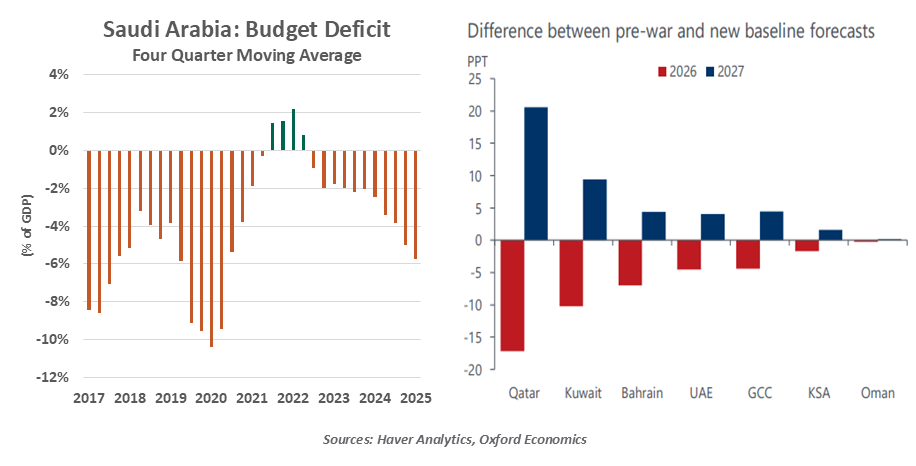
In the Middle East's financial landscape, the plain contrast in between its 2 biggest markets, Saudi Arabia and the United Arab Emirates (UAE), is ending up being progressively noticable. This divergence is highlighted by the varying year-to-date efficiencies of their main equity indices. Saudi Arabia's main index has seen a decrease of over 8%, mirroring the slide in Brent crude rates, while stocks in the UAE are delighting in a robust rally, with Dubai's benchmark index climbing around 18% and Abu Dhabi's index increasing nearly 10%.
In Dubai, house rates have skyrocketed by an impressive 122% over the past five years, as reported by Deutsche Bank, with rental costs increasing by nearly 50%. This buoyancy is fuelling the pipeline for going publics (IPOs), with various property-linked companies, consisting of specialists and online realty platforms, preparing to go public.
These have actually helped dispel investor issues that lingered after a series of underwhelming launchings in late 2024. In an interview, a market executive highlighted the growing regional need and the Middle East's emergence as a feasible option for business seeking to list: "We have the right level of need, the best level of rates, and the transactions are carrying out well in the aftermarket." Alternatively, in Saudi Arabia, the region's busiest IPO hub with over $3 billion raised this year, market belief has actually rather cooled.

Latest Posts
Why Economic Diversification Can Shape Arabian Markets
Roadmap to Gulf Stock Equity Trends in 2026
Future-Proofing Regional Portfolios for 2026 Shifts