All Categories
Featured

Securing Regional Investments against 2026 Shifts
Table of Contents
Iraq the second-largest manufacturer within the Company of the Petroleum Exporting Countries (OPEC) experienced the largest drop in production, approximated at almost 70 percent, dropping to about 800,000 barrels daily from 4.3 million barrels prior to the Strait of Hormuz crisis. Egypt's scenario worldwide Bank report varies from that of some nations in the region that saw sharp contractions; the bank preserved its projection for Egypt's economic development at 4.3%.
Diversifying Your Portfolio with High-Yield UAE Real Estate Trusts"Peace and stability are prerequisites for the area's resilient development. With peace and the best action, countries can develop the organizations, abilities and competitive sectors that produce chances for people," he included. As for Roberta Gatti, World Bank Group Chief Economic Expert for the Middle East, North Africa, Afghanistan and Pakistan, she stated: "As countries face the heavy toll of the present conflict, it is necessary to also not forget the work needed for long-lasting peace and success.".
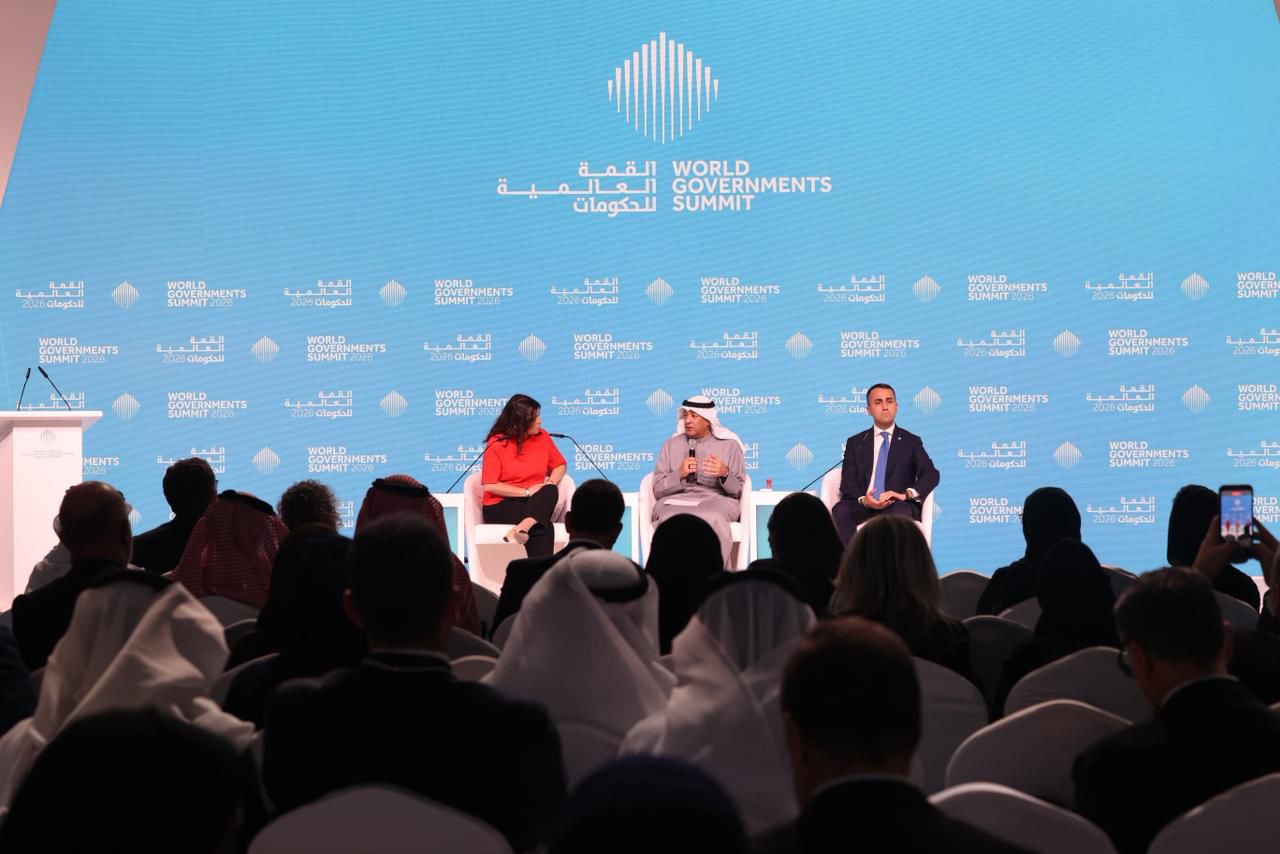
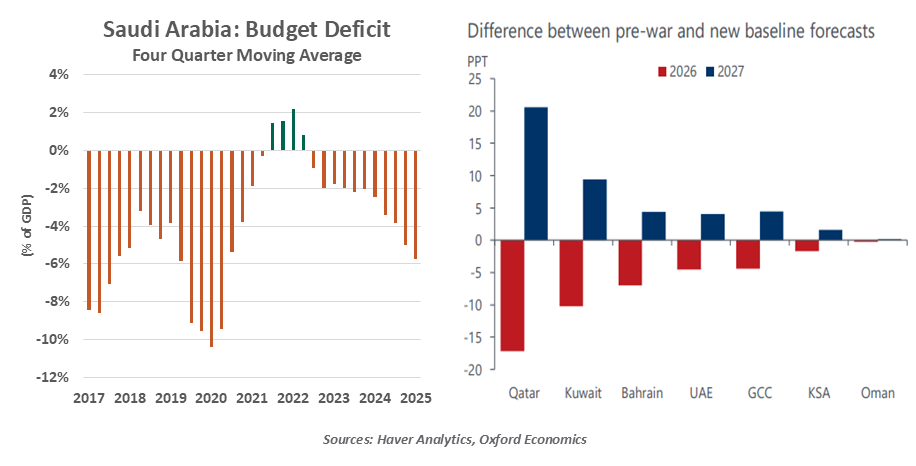
The current conflict in the Middle East has actually taken a major and instant financial toll on nations in the surrounding region. The closure of the Strait of Hormuz and damage of energy and public facilities have interrupted markets, increased monetary volatility, and deteriorated the 2026 growth outlook, according to the (MENAAP).
Omitting Iran, overall growth in the area is expected to slow from 4.0% in 2025 to 1.8% for 2026. This projection stands 2.4 portion points listed below the World Bank Group's January forecasts. The decline is concentrated in Gulf Cooperation Council economies and Iraq, which are heavily affected by the dispute.
Mastering Capital Diversification for a 2026 Economy
Threats are tilted to the drawback. In case of an extended conflict, the present influence on the region will be compoundedthrough raised energy and food prices, declining trade, tourist and remittances, increased fiscal pressures, and displacement. "The present crisis is a stark reminder of the work ahead for the area: not only to weather shocks, but to reconstruct more resistant economies with stronger macroeconomic fundamentals, innovate and improve governance, invest in infrastructure, and boost employment-creating sectors," stated.
With peace and the ideal action, countries can build the institutions, capabilities and competitive sectors that produce chances for individuals." With this long-lasting vision in mind, the report takes a close appearance at the area's potential for industrial policy government actions to increase tactical company activity as a chauffeur of financial growth and task production.
Federal governments in the region have embraced industrial policy at a high rate in the last years, typically through sovereign wealth funds and state-owned business, but the results have actually been mixed. The report highlights the vital requirement for strong organizations and cautious targeting of policies. "As nations face the heavy toll of the present conflict, it is very important to also not forget the work required for long-lasting peace and success," stated.
Strategic Industrial Shifts for 2026
The Gulf economies 2026, mainly the ones from the Gulf Cooperation Council (GCC) countries, are entering into 2026 with a fresh drive. The boost in oil production, the growth of the Gulf non oil sectors, and the detailed structural reforms are the aspects that will make the strong financial growth possible.
Here are the major indicators to observe together with the risks it is better to understand before taking any action. The GCC financial outlook is part of this shift, and signals continue to develop as the area positions for brand-new momentum. Worldwide organizations okay to the Gulf's growth in 2026.
This aligns with a broader GCC growth forecast 2026 that shows consistent improvement. This healing is an outcome of both the comeback of hydrocarbon activities and the advancement of Gulf non oil sectors. Tourist, logistics, production, and financing have actually been growing in the most populous and abundant in oil nations of the GCC.
Decoding the Complexity of ESG Reporting Standards in the GulfNavigating Capital Diversification in a Global Economy
Nevertheless, the growth is different in each case. Some projections recommend that the oil price drop will cause the cooling down of the growth rate. Likewise, if profits decrease, fiscal policy GCC in some countries will be under a heavy test, therefore financiers should be particularly mindful to oil price volatility GCC.
This is part of larger GCC diversification efforts that are starting to improve long-term expectations. In the United Arab Emirates, non-oil activities are estimated to be the primary motorists of GDP growth, which would be around 5 to 5.6 percent in 2026. The sectors of tourism, trade, logistics, genuine estate, and monetary services continue to be the main engines of the nation's economy, reflecting non oil sector growth in GCC nations 2026.

Latest Posts
Why Economic Diversification Can Shape Arabian Markets
Roadmap to Gulf Stock Equity Trends in 2026
Future-Proofing Regional Portfolios for 2026 Shifts